

Last episode, we looked at who might be at risk — and why knowing your risk matters more than waiting for symptoms.
This time, we move from awareness to action. Not dramatic changes. Not a strict diet you abandon in two weeks.
Just the everyday habits that, done consistently, help keep your kidneys healthier for longer.
Here’s the truth: there is no single magic habit that guarantees perfect kidney health.
What matters is the pattern — how you eat, how you move, how you sleep, and how you manage the conditions that damage kidneys over time.
Let’s walk through what actually helps.
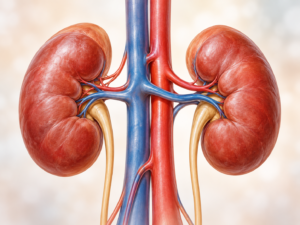
EIGHT HABITS THAT HELP PROTECT YOUR KIDNEYS
1. Eat With Your Whole Body In Mind
The guidance from kidney health experts is straightforward: choose foods that are healthy for your heart and your entire body. That means more vegetables, fruits, whole grains, fibre, legumes, and plant-based proteins.
Less processed meats and ultra-processed foods high in salt, sugar, and refined carbohydrates.
The two things to watch most closely:
Salt.
The World Health Organization recommends adults limit sodium intake to less than 2 grams per day — equivalent to about 5 grams of salt. In practical Nigerian terms, this means being mindful of seasoning cubes, processed foods, and added salt at the table.
You don’t have to eliminate flavour — cook with a mix of spices instead of relying on salt alone.
Added sugar.
Keep added sugars limited. Sugary drinks and processed snacks add up quickly, and they contribute to the weight gain and blood sugar problems that damage kidneys over time.
If you have diabetes, high blood pressure, or heart disease, consider working with a dietitian to create a meal plan that fits your specific needs.
If you already have kidney disease, your dietary needs may be different. Speak with your doctor or a renal dietitian before making significant changes to your diet.
2. Move Your Body Regularly
The KDIGO 2024 guideline recommends that people with CKD undertake moderate-intensity physical activity for at least 150 minutes per week — or to a level compatible with their cardiovascular and physical tolerance.
Brisk walking, cycling, dancing, and even some household chores can help you stay active.
The goal is to work toward 150 minutes of moderate-intensity activity per week, according to your physical ability. The guideline also says people should avoid sedentary behaviour.
If you’re not active now, start where you are. The goal is consistency, not intensity.
3. Aim For A Healthy Weight
If you are overweight or have obesity, working toward a healthier weight may help protect kidney health and reduce the risk of further damage. The KDIGO guideline specifically encourages people with obesity and CKD to lose weight.
This isn’t about appearance. It’s about reducing the strain on your kidneys and lowering your risk of diabetes and high blood pressure — the two biggest threats to kidney health.
4. Get Enough Sleep
Aim for around 7 to 9 hours of sleep each night.
Sleep is often overlooked in kidney health conversations, but it matters. Poor sleep is linked to high blood pressure and diabetes, both of which damage kidneys over time.
If you have trouble sleeping, take steps to improve your sleep habits.
5. Stop Smoking
If you smoke or use other tobacco products, stopping is one of the most protective things you can do for your kidneys.
Smoking can worsen kidney disease. Research shows smoking is associated with a higher risk of protein in the urine — which can indicate kidney damage — and a faster decline in kidney function.
The KDIGO guideline explicitly advises people with CKD not to use tobacco products.
You don’t have to do it alone. Ask for help.
6. Limit Alcohol
Drinking too much alcohol can increase blood pressure and contribute to weight gain. If you drink alcohol, limiting how much and how often you drink can help reduce your health risks.
If you don’t drink, there’s no health reason to start.
7. Manage the Conditions That Damage Kidneys
This is the part that often gets overlooked in lifestyle articles.
Healthy habits are important, but if you have diabetes or high blood pressure, managing those conditions is the single most powerful thing you can do for your kidneys.
Combining a healthy diet, exercise, stopping smoking, controlling weight, and lowering blood pressure with appropriate medication can slow down how quickly CKD progresses and reduce the risks of kidney failure, heart attack, stroke, and heart failure.
This means taking your medications as prescribed, monitoring your numbers, and staying in contact with your doctor. Lifestyle supports treatment — it doesn’t replace it.
If you have diabetes, high blood pressure, or other risk factors for kidney disease, ask your doctor how often your kidneys should be checked.
Kidney problems can develop without obvious symptoms, so monitoring matters even when you feel well.
8. A Note On Water
You may have heard that you need to “drink plenty of water to flush your kidneys.” The reality is more nuanced.
Drink water regularly throughout the day, especially during hot weather or physical activity. Avoid forcing yourself to drink excessive amounts.
If you have kidney disease or another condition that affects fluid balance, follow your doctor’s advice about how much to drink.
YOUR 7-DAY KIDNEY-HEALTH HABIT CHALLENGE
Knowledge doesn’t change much. Action does. Here’s a simple challenge for the week ahead:
- Day 1: Check your blood pressure. If you don’t have a monitor, visit a pharmacy or health centre.
- Day 2: Use less salt and fewer high-sodium seasonings. Cook with spices instead of relying on seasoning cubes. Taste your food before adding salt.
- Day 3: Take a 30-minute walk. No gym needed. Just move.
- Day 4: Review your sleep. Aim for 7–9 hours tonight. Put your phone away earlier.
- Day 5: Look at your plate. Add one more vegetable. Choose water instead of a sugary drink.
- Day 6: Check your medications. Are you taking them as prescribed? Do you have questions for your doctor?
- Day 7: Reflect and commit. Which habit felt easiest? Which was hardest? Choose one habit to practise consistently over the next 30 days.
THIS EPISODE’S TAKEAWAY
Protecting your kidneys isn’t about perfection. It’s about the pattern you repeat most days.
Eat with your whole body in mind. Move regularly. Sleep enough. Don’t smoke. Manage your blood pressure and blood sugar.
These aren’t dramatic actions — but done consistently, they make a real difference.
Next episode, we’ll tackle a topic that deserves careful attention: medicines, supplements, and “natural” remedies. What you put into your body matters — and not everything marketed as healthy is kidney-safe.
A QUICK REFLECTION BEFORE NEXT WEEK
- Which of the habits above is already part of your routine?
- Which one could you realistically improve this week?
- Do you know if any medication you take regularly could affect your kidneys?
Bring those questions to Episode 4.
SOURCES FOR FURTHER READING
- KDIGO — 2024 Clinical Practice Guideline for the Evaluation and Management of CKD Read source
- World Health Organization — Sodium Reduction Read source
- NIDDK — Managing Chronic Kidney Disease Read source
- NIDDK — Diabetic Kidney Disease Read source
- Ohkuma T, et al. (2016). Effects of smoking and its cessation on creatinine- and cystatin C-based estimated glomerular filtration rates and albuminuria in male patients with type 2 diabetes mellitus: the Fukuoka Diabetes Registry. Hypertens Res, 39(10):744–751. Read source
Editor’s note: This article is for general health education and does not replace personalised medical advice from a qualified healthcare professional.